A little understanding
goes a long way.
One useful answer at a time. Choose a topic, look up a question, or follow the beginner’s path from starter to first loaf.
30 guides
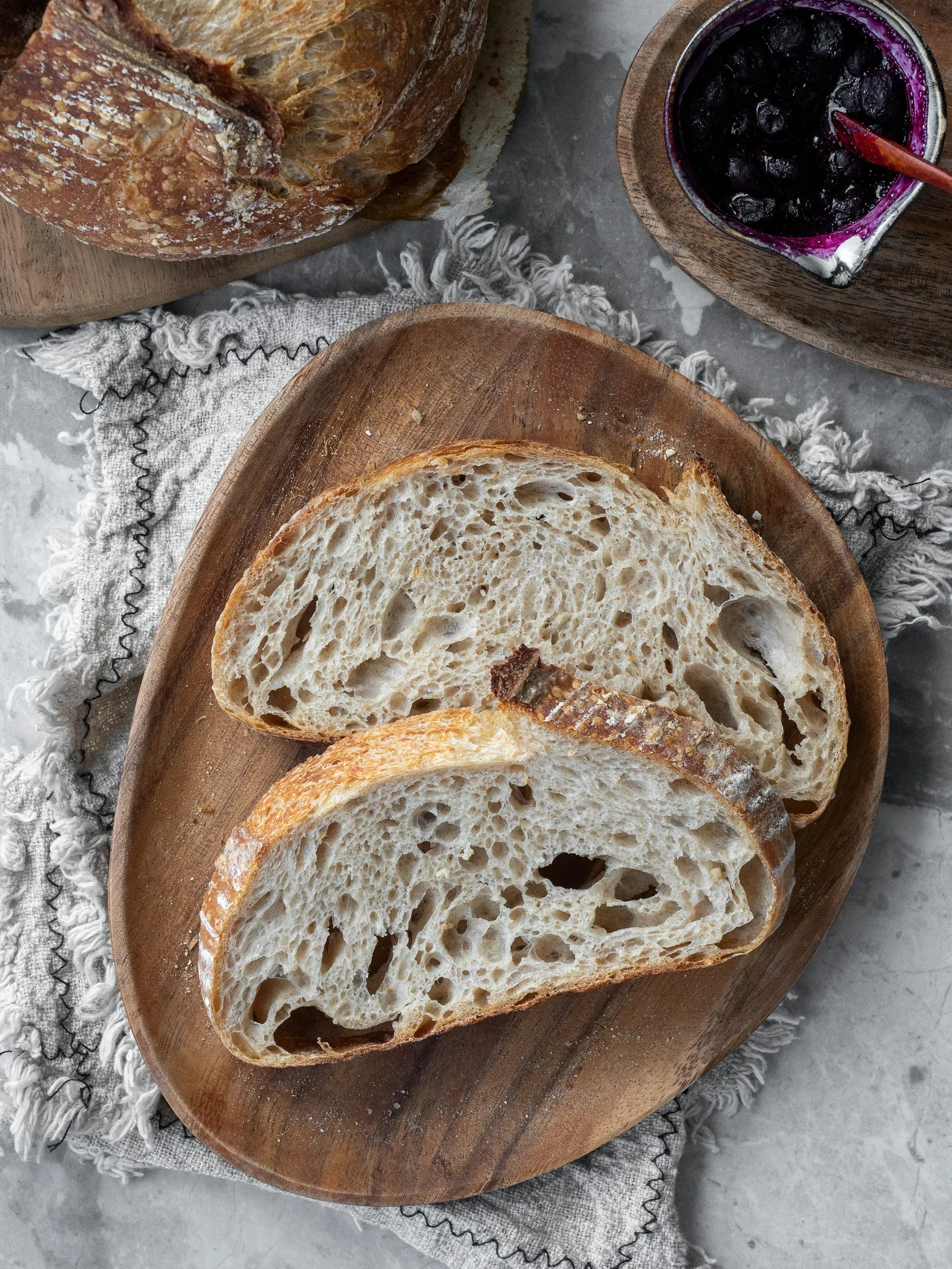 Mixing techniques
Autolyse vs. fermentolyse: choose and account for the rest
Understand flour-and-water rests, starter-inclusive rests, water holdbacks, fermentation timing, and how to judge whether the extra step helps your dough.
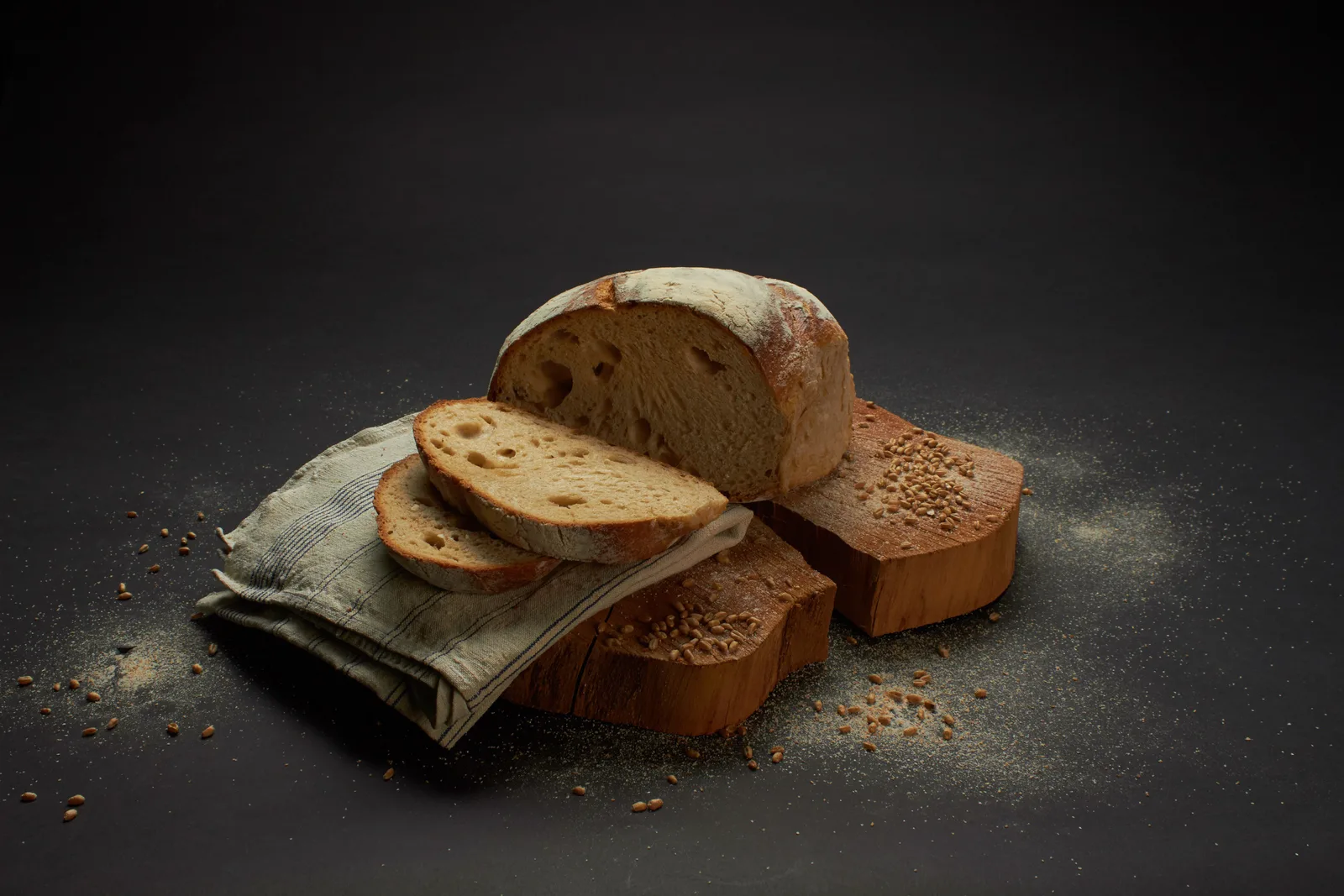 Baking techniques
Bake sourdough with steam using equipment that supports the method
Choose a covered baker or approved steam-baking setup, understand the dry finish, avoid thermal shock, and troubleshoot crust without unsafe water additions.
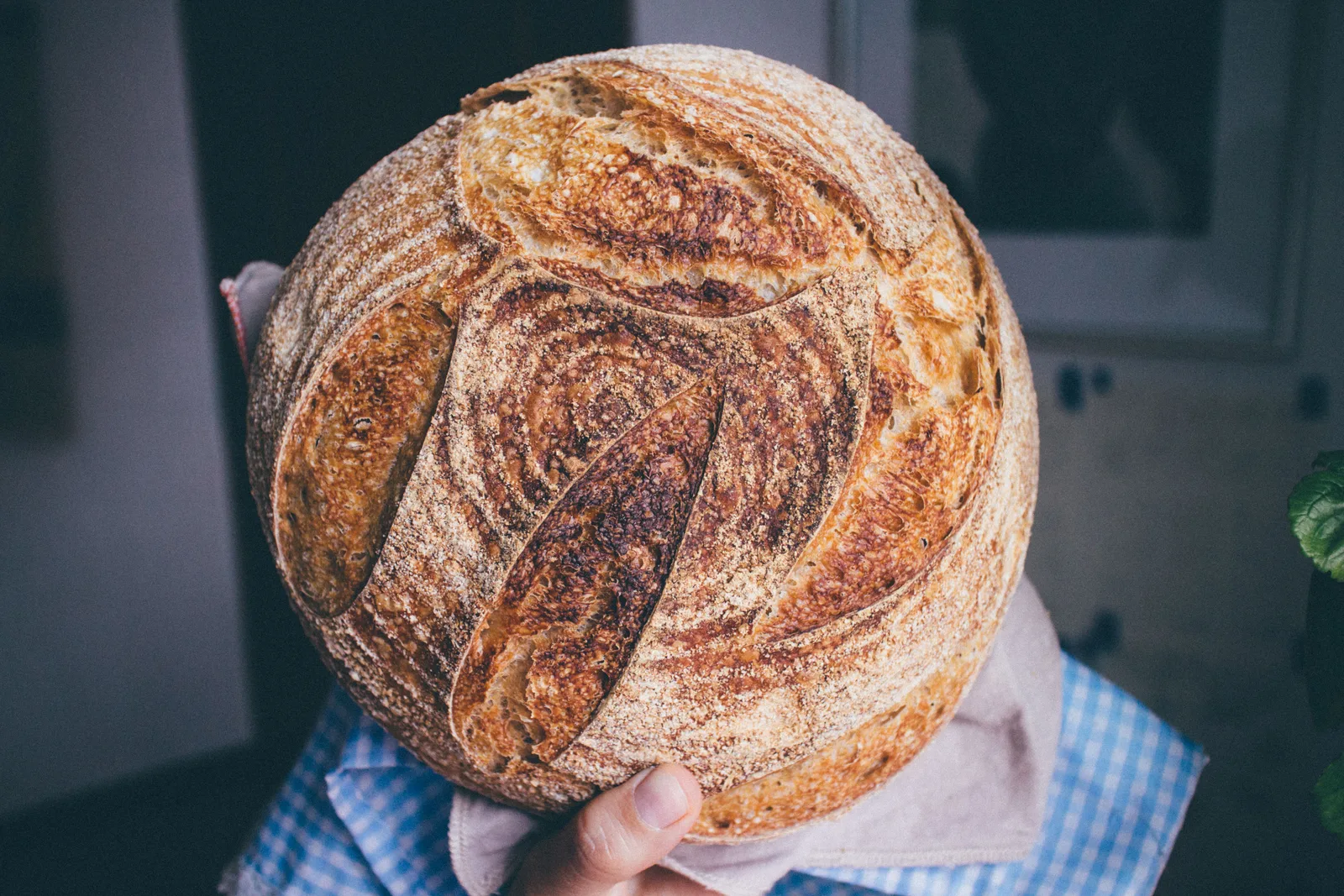 Baker’s math
Baker’s Percentage: A Clear Guide for Sourdough
Learn baker’s percentages with complete sourdough examples, including starter flour, hydration, salt, and dough weight.
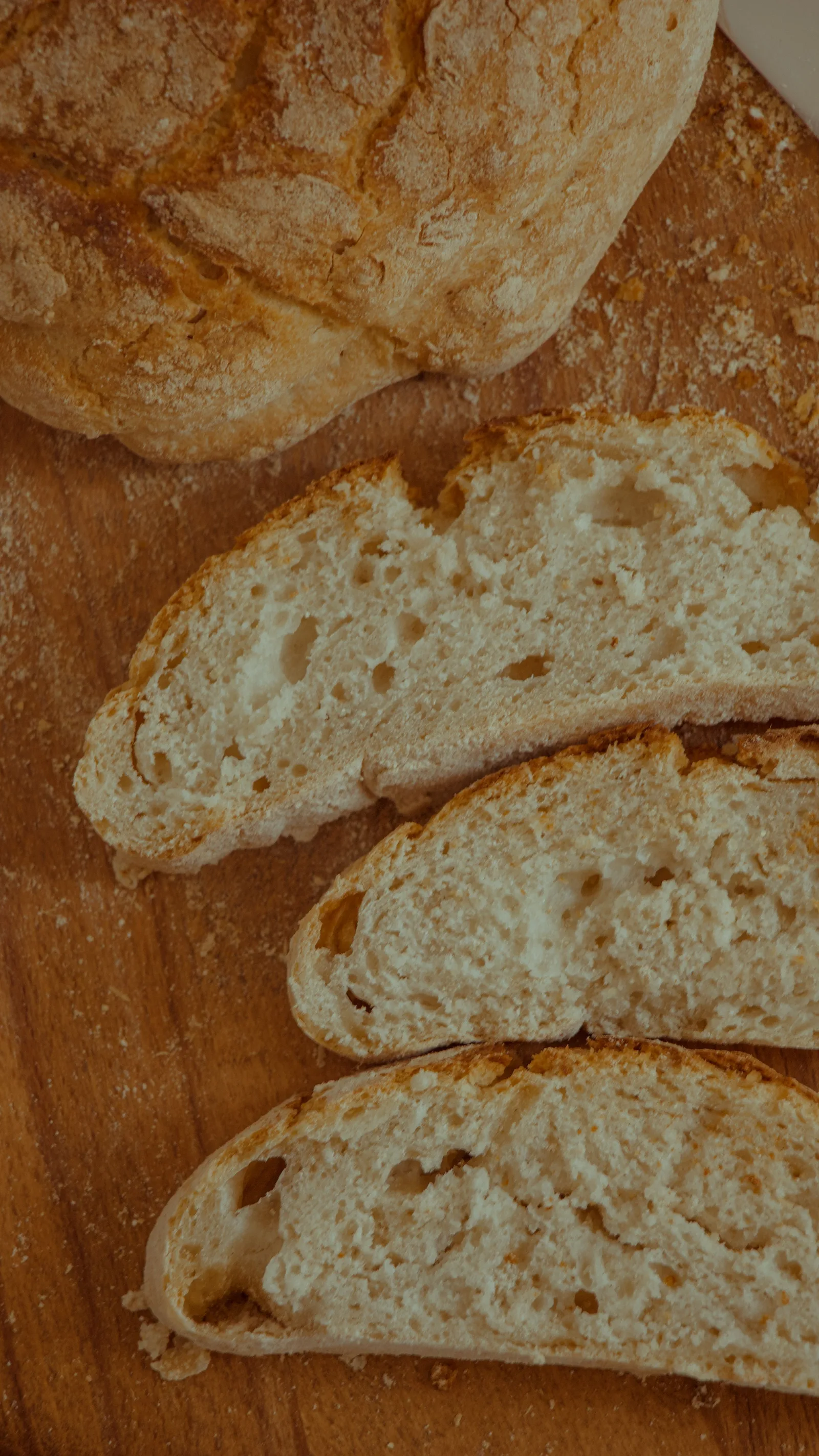 Fermentation
Build a sourdough baking schedule around your day
Plan starter preparation, dough work, proofing, oven time, and cooling with clear checkpoints and room for fermentation to vary.
Proofing techniquesCold-proof sourdough with a schedule you can actually follow
Understand refrigerator proofing, cooling lag, dough readiness, covers, direct-from-cold baking, and how to plan sequential loaves without false timing guarantees.
BakingCooling and Storing Sourdough: Keep the Right Portions Ready
Cool, portion, wrap, and freeze plain sourdough while distinguishing texture changes from spoilage and the storage needs of perishable fillings.
 Troubleshooting
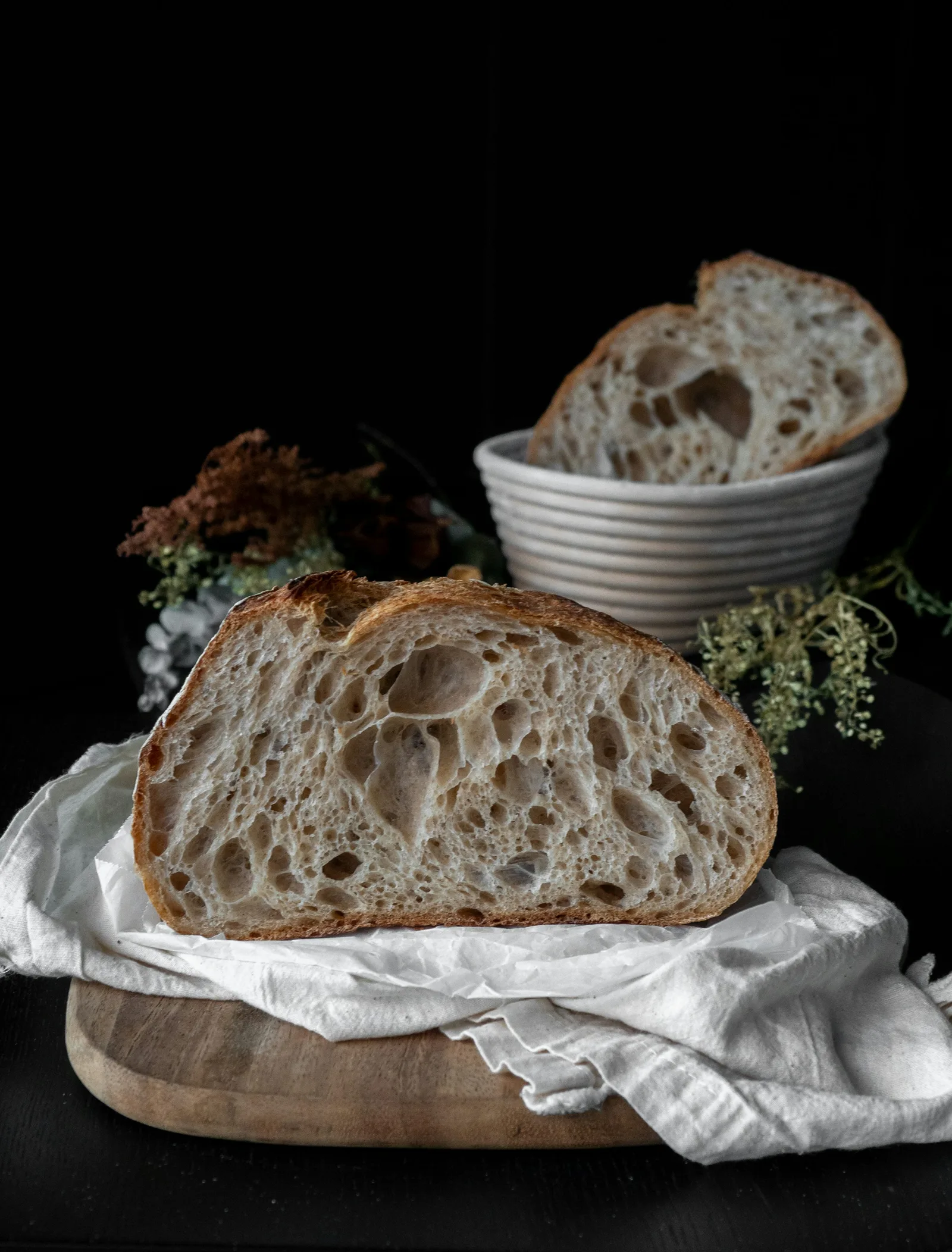
Dense Sourdough Crumb: Diagnose the Pattern Before Changing the Recipe
Separate a pleasantly close crumb from heavy or uneven sourdough, then review fermentation, flour, shaping, and hydration in order.
TroubleshootingGummy Sourdough Crumb: Check Cooling, Baking, and Fermentation
Trace a sticky sourdough center through cooling, loaf size, baking evidence, fermentation, and ingredient changes without guessing.
Starter careHow much starter should you feed for a bake?
Plan the levain your recipe needs, keep a deliberate reserve, and avoid confusing total starter, fresh feed, and flour in the dough.
IngredientsHow to choose flour for sourdough
Compare flour roles, read product labels, account for levain flour, and plan substitutions without confusing protein numbers with guaranteed results.
Starter careHow to make a sourdough starter from scratch
Build a flour-and-water starter with a clear feeding method, readable jar records, and practical decisions for the quiet days before dependable activity.
Recipe readingHow to Read a Sourdough Formula Before You Mix
Audit a sourdough recipe by tracing starter, total flour, water, salt, levain stages, and dough yield.
FermentationHow to read bulk fermentation signs
Track dough expansion, aeration, strength, and temperature together, with clear measurement examples and limits for common readiness tests.
Starter careHow to refrigerate and maintain sourdough starter
Set up a practical cold-storage routine, calculate the right maintenance quantity, and prepare refrigerated starter for your next bake.
Starter careHow to revive a neglected sourdough starter
Separate safe revival candidates from contamination, restore a measurable feeding routine, and decide when a culture is ready for a baking build.
Baker’s mathHow to Scale a Sourdough Recipe Without Changing the Formula
Resize sourdough by dough weight, flour supply, loaf count, or available starter while keeping the formula clear.
Starter careIs your sourdough starter ready to bake?
Assess an established starter using its rise history, feeding conditions, and recipe requirements instead of relying on a single bubble or float test.
Baking notesKeep a sourdough bake log you will actually use
Record the few details that explain your next bake: ingredient weights, starter preparation, dough observations, decisions, and one clear change to compare.
Dough compositionSalt in Sourdough: Percentages, Weighing, and Formula Checks
Calculate sourdough salt from total flour, include starter flour, and understand what changes when salt or batch size changes.
Scoring techniquesScore sourdough with a clear plan for the loaf’s expansion
Separate functional and decorative cuts, choose a blade and pattern, understand depth and tilt, and troubleshoot a score without blaming one variable.
Shaping techniquesShape a sourdough boule or bâtard with better control
Plan loaf size, preshape, manage bench flour, form a round or oval, and diagnose problems at the seam, transfer, and basket-release stages.
TroubleshootingSourdough Crust Too Hard: Separate Baking Problems from Storage
Diagnose thick, tough, or overly hard sourdough crust by timing and location, then adjust baking, steam, shape, or storage deliberately.
Dough compositionSourdough Hydration: Calculate the Water You Actually Use
Calculate true sourdough hydration, account for starter, and adjust water with clear examples and practical limits.
TroubleshootingSourdough Not Rising: Find Where Progress Stopped
Diagnose a slow starter, stalled bulk fermentation, lost volume after shaping, or low oven spring with a clear order of checks.
TroubleshootingSourdough Spreading Flat: Find the Point Where Support Was Lost
Troubleshoot sourdough that spreads during mixing, shaping, basket release, or loading, with practical comparisons and hydration math.
Starter careSourdough starter feeding ratios, explained
Read starter feeding ratios by weight, compare common builds, and calculate hydration without forgetting the flour and water already in your seed.
Starter planningStarter Hydration and Feeding Ratios, Explained
Understand starter hydration, feeding ratios, seed flour, and how to build the exact starter amount your recipe needs.
Dough developmentStretch-and-fold vs. coil fold: choose the movement your dough needs
Learn bowl folds and coil folds, how to count sets, read the dough between them, troubleshoot tears, and compare the two methods fairly.
IngredientsWater temperature for sourdough: plan, measure, adjust
Distinguish water from dough temperature, use the desired-temperature factor method carefully, and check your calculation against the actual mixed dough.
IngredientsWhole-wheat and rye sourdough: plan the grain blend
Calculate whole-grain and rye shares, subtract flour carried in levain, and choose a method suited to the dough instead of treating every flour alike.
No matching guides. Try a shorter search or choose “All topics.”